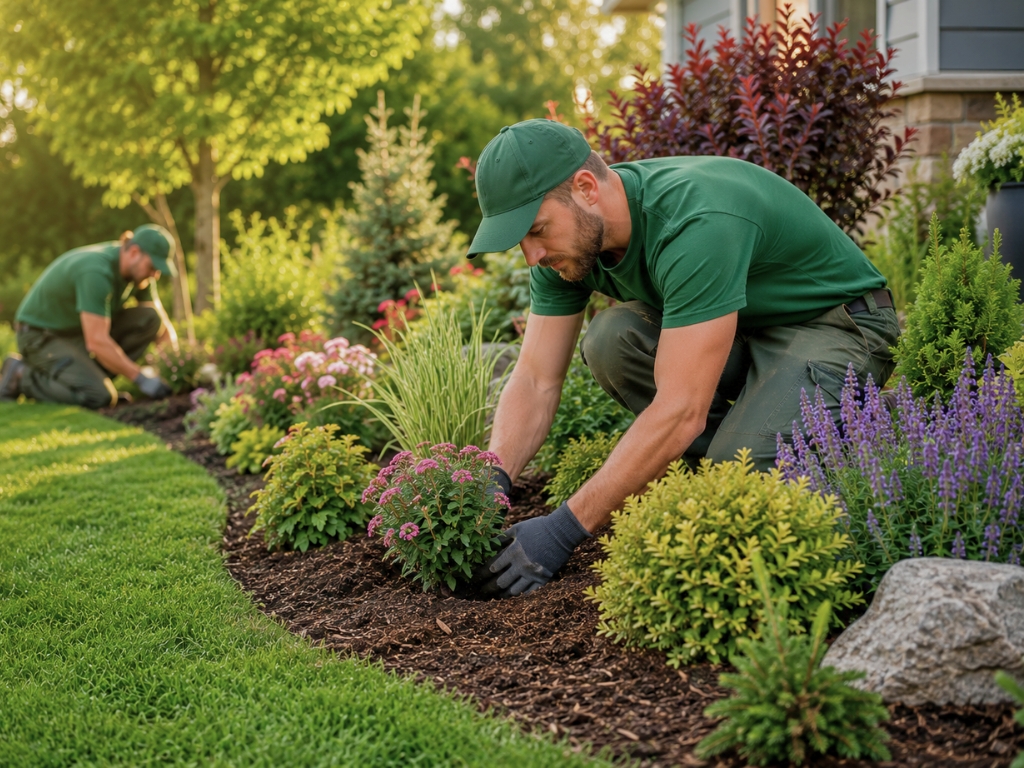
A well-maintained landscape enhances curb appeal, protects property value, and keeps your outdoor spaces healthy. However, keeping up with landscape maintenance can be challenging when balancing work, family, and other responsibilities.
Without a maintenance plan, small issues like irrigation leaks, weeds, or unhealthy plants can quickly become costly problems. A monthly landscape maintenance checklist helps you stay organized and keep your property looking its best year-round.
Why Monthly Landscape Maintenance Matters
According to the National Association of Realtors (NAR), 92% of Realtors recommend improving curb appeal before listing a home for sale, highlighting the value of maintaining outdoor spaces.
Consistent landscape maintenance helps protect that investment by preventing small issues from turning into costly repairs. A leaking sprinkler head, for example, can waste water and damage surrounding plants if left unaddressed.
Routine maintenance also keeps your property attractive year-round. Whether you own a residential property, commercial building, or community space, a healthy landscape creates a welcoming environment for visitors, customers, and neighbors.
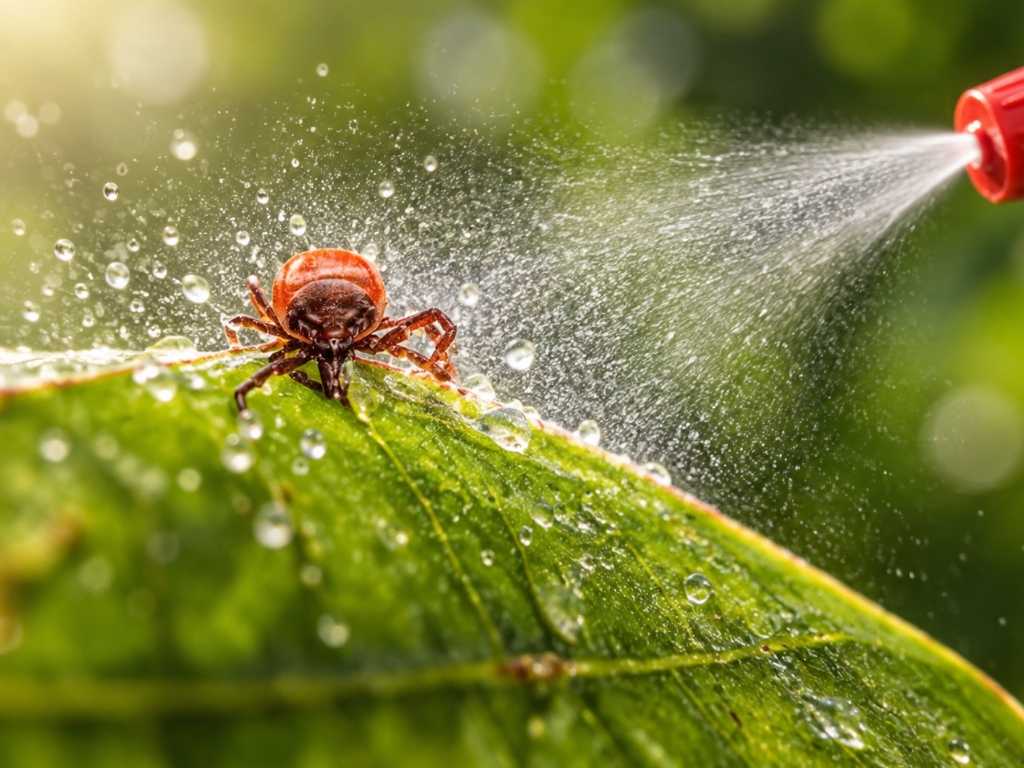
In addition, monthly inspections support plant health by helping you identify signs of disease, pest activity, or nutrient deficiencies early. Addressing these issues promptly can prevent widespread damage and preserve the overall appearance of your landscape.
What Are the 4 Types of Landscape?
Different landscape styles require different maintenance strategies. Understanding the type of landscape on your property can help you prioritize tasks and maintain its appearance more effectively.
- Natural Landscapes: These areas feature native plants and natural elements that require maintenance focused on preserving ecological balance and controlling invasive species.
- Formal Landscapes: Structured designs with symmetrical layouts and neatly trimmed plants require regular pruning, edging, and detailed upkeep.
- Informal Landscapes: Relaxed designs with flowing lines and mixed plantings benefit from selective pruning and routine monitoring to maintain a natural appearance.
- Functional Landscapes: Spaces designed for recreation, drainage, entertaining, or other specific purposes require maintenance based on how the area is used.
Spring Landscape Maintenance Checklist (March – May)
Spring is the time to prepare your landscape for a new growing season. Addressing maintenance needs early helps plants recover from winter, encourages healthy growth, and prevents small issues from becoming larger problems later in the year.
- Inspect Irrigation Systems: Spring startup is the ideal time to check for leaks, broken sprinkler heads, and coverage issues that may have developed during winter.
- Refresh Mulch in Plant Beds: Replacing or replenishing mulch helps retain soil moisture, regulate temperatures, and suppress weed growth as plants begin actively growing.
- Prune Winter-Damaged Plants: Removing dead, broken, or damaged branches encourages healthy new growth and improves the appearance of trees and shrubs.
- Apply Fertilizer as Needed: Plants and lawns often benefit from nutrients in spring because this is when root development and new growth begin accelerating.
- Remove Weeds Early: Tackling weeds before they mature and spread seeds reduces competition for water, nutrients, and sunlight throughout the growing season.
- Inspect for Pest and Disease Activity: Many landscape pests become active in spring, making early detection important for preventing widespread damage later in the year.
- Clean Up Landscape Beds and Lawn Areas: Removing leftover leaves, branches, and winter debris improves appearance and creates a healthier environment for new plant growth.
Summer Landscape Maintenance Checklist (June – August)
Summer heat, intense sunlight, and increased water demands can place significant stress on your landscape. Focusing on these tasks helps protect plants, lawns, and irrigation systems during the hottest months of the year.
- Monitor Watering Efficiency: Plants require more water during summer, making it important to adjust irrigation schedules and identify signs of overwatering, underwatering, or heat stress before damage occurs.
- Control Weeds Before They Spread: Weeds thrive in warm conditions and can quickly compete with desirable plants for water and nutrients if not removed early.
- Inspect for Pests and Disease: Many insects and plant diseases become more active in summer, so routine inspections help prevent widespread infestations and plant damage.
- Mow Grass at the Proper Height: Keeping grass slightly taller during hot weather helps shade the soil, retain moisture, and reduce heat stress on turf.
- Refresh Mulch Around Plants: Summer temperatures can dry out soil quickly, and mulch helps retain moisture while protecting roots from excessive heat.
- Prune Dead or Damaged Growth: Removing damaged branches and spent blooms helps plants direct energy toward healthy growth throughout the season.
- Check Irrigation Components: Sprinkler heads, drip lines, and valves should be inspected regularly because increased summer use can reveal leaks or system failures.
Fall Landscape Maintenance Checklist (September – November)
Fall is the ideal time to help landscapes recover from summer stress while preparing plants and turf for colder temperatures.
- Remove Leaves and Debris: Fallen leaves can block sunlight, trap moisture, and create conditions that encourage lawn disease if left unattended.
- Aerate Turf Areas: Cooler temperatures make fall one of the best times to relieve soil compaction and improve water, air, and nutrient movement to roots.
- Overseed Thin Lawn Areas: Grass seed establishes more effectively in fall conditions, helping repair damage caused by summer heat and heavy foot traffic.
- Prepare Plants for Cooler Weather: Adding mulch and performing selective pruning helps protect vulnerable plants from temperature fluctuations and frost damage.
- Inspect Trees and Shrubs: Fall is a good time to identify weak branches or structural issues before winter storms arrive.
- Review Irrigation Performance: As temperatures decrease, watering schedules should be adjusted to prevent overwatering and reduce water waste.
- Fertilize Cool-Season Lawns: Applying fertilizer in fall strengthens root systems and prepares turf for healthy growth the following spring.
Winter Landscape Maintenance Checklist (December – February)
While plant growth slows during winter, regular maintenance helps protect your landscape from seasonal damage and prepares it for the next growing season.
- Inspect Trees for Safety Hazards: Winter storms can expose weak or damaged branches that may pose risks to people, vehicles, and structures.
- Winterize Irrigation Systems: Freezing temperatures can crack pipes and damage sprinkler components, making proper system shutdown essential.
- Monitor Plant Health: Some plants may show signs of winter stress, disease, or animal damage that should be addressed before spring growth begins.
- Protect Sensitive Plants: Covering vulnerable plants or adding extra mulch helps insulate roots and reduce cold-weather damage.
- Clear Snow and Ice Safely: Excessive snow and ice buildup can damage turf, shrubs, and hardscape surfaces if not managed properly.
- Inspect Hardscape Features: Winter is a good time to identify cracks, shifting pavers, or drainage issues that may worsen during freeze-thaw cycles.
- Plan Landscape Improvements: With fewer maintenance demands, winter provides an opportunity to evaluate the landscape and schedule upgrades for spring.
When to Hire an Expert
There comes a point when managing landscape maintenance alone may no longer be practical. If you’re struggling to keep up with landscape maintenance, managing a large property, or dealing with recurring issues, it may be time to hire a professional.
Colonel Landscaping provides routine maintenance, irrigation management, seasonal cleanups, and plant health monitoring to keep your landscape in top condition. Their expertise helps prevent costly problems, saves time, and protects your investment year-round.
Conclusion
Consistent landscape maintenance helps protect your investment, improve curb appeal, and prevent costly repairs. By following a seasonal checklist and addressing issues early, you can keep your landscape healthy and attractive year-round.
Need help staying on top of landscape maintenance? Colonel Landscaping can provide the professional care your property needs.