
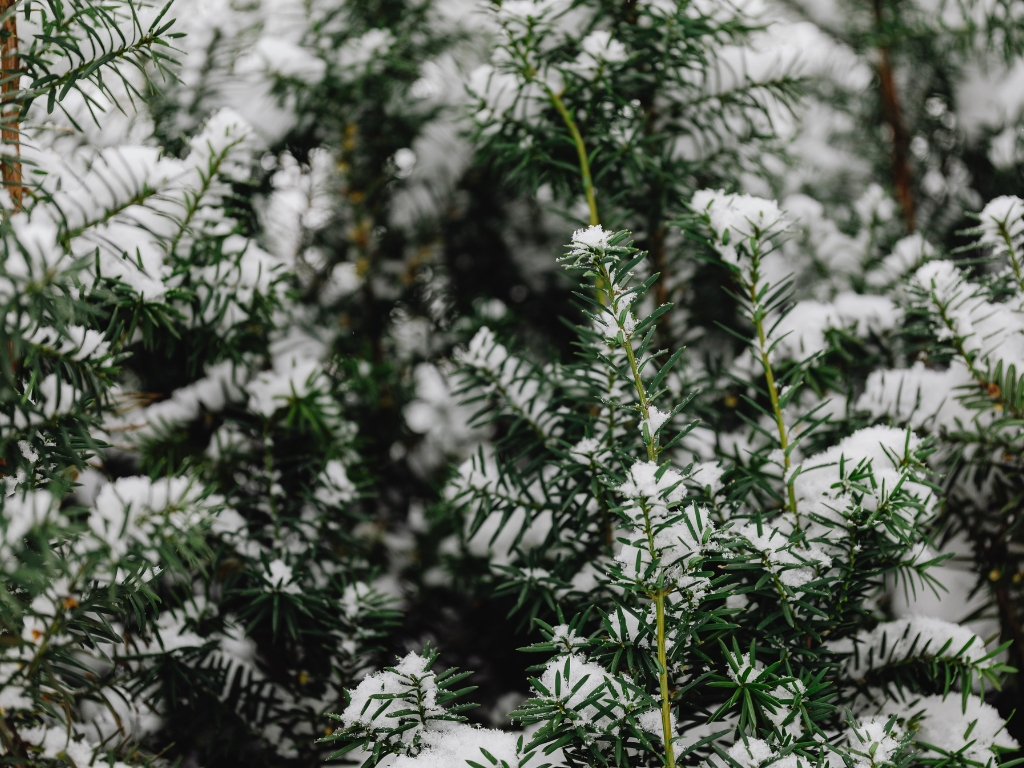
When winter settles in, many homeowners stop thinking about their yards. The flowers are gone, the grass slows down, and everything looks a little dull. But that’s exactly when the right landscaping choices can make your outdoor space stand out.
Winter doesn’t have to mean lifeless. With a few simple changes and the right mix of evergreens, bark, and structural plants, you can bring texture, color, and shape back into your yard, even in the coldest months.
Let’s walk through a few practical landscaping ideas that can transform your landscape this winter.
Why Winter Landscaping Matters
When leaves drop and flowers fade, what’s left behind is your yard’s framework — the shape, structure, and form that usually hide beneath summer growth.
This bare look reveals where your design works and where it falls flat. And that’s good news. Winter gives you the chance to see your landscape differently and build a design that looks intentional year-round.
Planning for winter has a few real benefits:
- Keeps curb appeal high when other yards look bare.
- Adds structure and balance while plants rest.
- Cuts down on maintenance with hardier choices.
- Turns snow and bark contrast into part of the design.
You don’t need to redo everything. A few smart updates can make your yard look polished and alive all winter long.
Evergreens: The Foundation of Winter Color
Once you start planning for winter, evergreens are the first thing to consider. They bring consistency: that deep, steady green that keeps your yard from feeling empty.
These plants do more than just look nice. They define the outline of your garden, add height, and even shield other plants from harsh winds. Spread them evenly instead of grouping them all in one spot to keep your design balanced and natural.
Some reliable evergreens to try:
- Boxwood: Ideal for clean, low borders or geometric designs
- Holly: Shiny green leaves with bright berries for color contrast
- Juniper: Versatile, hardy, and available in many forms
- Pine: Adds softness and movement with snow-dusted needles.
- Arborvitae: Great for privacy or structure along fences and driveways
Evergreens form the backdrop for everything else. Once you have those in place, you can start layering in plants that bring more texture and contrast.
Bark: Adding Texture and Warmth
With evergreens setting the tone, the next step is adding visual texture, and bark does this better than anything else.
When the leaves are gone, bark steps into the spotlight. It’s often overlooked, but in winter, it transforms your yard. Think of it as nature’s way of adding texture where flowers once stood. With the right mix of trees and shrubs, bark brings warmth, color, and interest even on the coldest days.
Consider these standout options:
- Birch Trees: Bright white bark pops beautifully against green or snow
- Coral Bark Maple: Red-orange bark that glows under winter sunlight
- Dogwood Shrubs: Stems in red, yellow, or coral; bold and eye-catching
- Paperbark Maple: Copper tones and peeling bark add rich texture
- Ninebark: Deep, layered bark that looks great frosted or bare
To make the most of it, position bark-heavy plants where they’ll catch sunlight, especially in the morning or late afternoon.
Structure: Building the Framework
Once you’ve got your color and texture set, focus on form. Structural plants — those with interesting shapes or branches — give your landscape architecture and rhythm.
When designing, mix heights and shapes for balance. Tall shrubs beside low mounds or wispy grasses create a sense of movement. Avoid over-pruning now; those bare forms are part of what makes winter landscapes so appealing.
Here are some great choices for structure:
- Hydrangeas: Dried blooms hold shape and texture through winter
- Japanese Maples: Elegant branches that draw the eye
- Ornamental Grasses: Add motion and soft lines to rigid spaces
- Yews and Junipers: Hold form year-round with minimal care
- Sedum ‘Autumn Joy’: Keeps its shape and adds soft mounds of contrast
This is where the design starts to feel complete: evergreens for stability, bark for warmth, and structure for shape. Together, they turn an ordinary winter yard into something sculptural.
Bringing It All Together
Designing a winter landscape isn’t about choosing a single plant type — it’s about balance. Each element should play a role, working together to add depth and variety.
Here’s a simple way to combine them:
-
Start with your evergreens. They create the framework.
Evergreens form the foundation of your design. They provide the year-round structure that holds your yard together when everything else fades.
Think of them as the “outline” of your landscape. Place them first — along borders, near entryways, or at key points around the yard — to set your layout. Use different shapes and sizes for dimension, like low boxwoods paired with tall arborvitae.
-
Add trees or shrubs with colorful bark for visual breaks.
Once your framework is set, break it up with color and texture. Bark-heavy trees and shrubs add contrast that draws the eye. For example, coral bark maple or red-twig dogwood introduces warmth against deep green evergreens.
Space them strategically. Too many can overwhelm the design, but just a few in the right spots make your yard feel intentional and balanced.
-
Use structural plants or grasses to fill space and add movement.
Now fill the gaps. Structural plants, like hydrangeas, ornamental grasses, or sedum, soften hard lines and add visual flow. They create movement when wind or snow passes through and keep your landscape from feeling static. Group them in small clusters to maintain rhythm across your yard without overcrowding it.
-
Repeat colors or shapes across your yard to tie it all together.
Repetition keeps everything cohesive. If you use round boxwoods in one area, echo that shape with circular planters or curved pathways elsewhere. If you have pops of red bark or winter berries, repeat that accent color in multiple zones. The goal is to make your landscape feel connected, not pieced together.
Hardscaping: The Finishing Touch
Plants are just one part of a winter landscape. Hardscaping — the stone, wood, and metal elements — helps define your space and keeps it interesting even when covered in snow.
Try adding a few of these touches:
- Stone borders or retaining walls to give your yard clean edges
- Pathways made of gravel or pavers for structure and contrast
- Planters filled with evergreen branches and pinecones for decoration
- Outdoor lighting to highlight bark, evergreens, or focal plants
- Benches or sculptures that stand out against the winter backdrop
Lighting especially changes how your landscape feels after dark. A few low lights aimed at trees or along pathways can make your yard feel warm, even on cold nights.
Take a Walk and Look Closer
Before you plan any changes, take a quick walk through your yard. Look at it the way someone else might: from the street, the driveway, or your back porch.
Ask yourself a few honest questions:
- Do you see any color, or does everything blend together?
- Are there parts that look empty or unbalanced?
- Does one side of your yard feel heavier than the other?
- Would a pop of evergreen or a tree with bright bark break up the space?
Those small observations tell you a lot. You don’t have to change everything at once. Focus on one or two areas that stand out the most. Even a single addition can make your yard look intentional and balanced through winter and beyond.
Take that walk with fresh eyes, and you’ll start seeing opportunities instead of bare spots. That’s where the best landscaping ideas begin.
Final Thoughts
Winter doesn’t have to mean a lifeless yard. With the right mix of evergreens, textured bark, and structural plants, you can keep your outdoor space alive with depth and color, even in the cold.
At Colonel Landscaping, we help homeowners design outdoor spaces that look great in every season. If you’re ready to refresh your yard and bring new life to your winter landscape, start planning today.