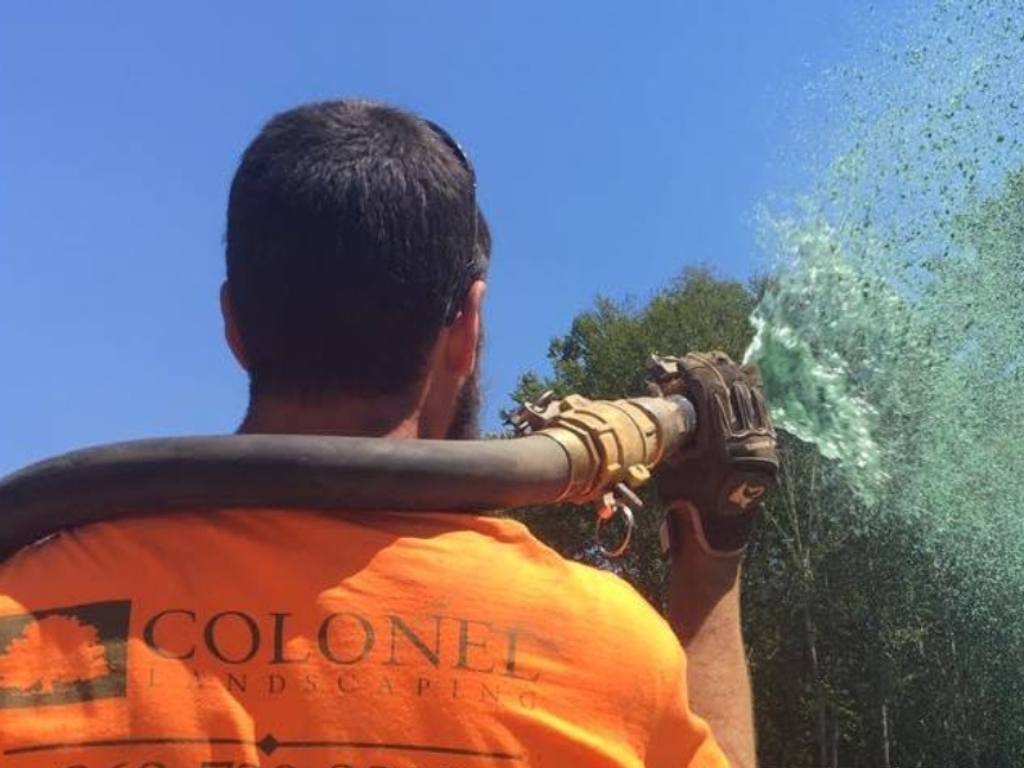
Hydroseeding services give your property a fast start toward healthy grass. But what you do after the installation matters just as much as the application itself.
Many business owners focus on the installation and overlook the weeks that follow. That’s when most regrowth problems begin.
If you’re investing in new turf, you want consistent growth, fewer repairs, and predictable results. The mistakes below are the ones that weaken new grass before it has a chance to take hold.
Avoid Walking on the Area Too Soon
A newly hydroseeded surface looks stable, but the mulch bond is still fragile. Even one person stepping onto the area can compress soil, disrupt germination, and create bare patches.
Businesses with regular foot traffic see this issue more than residential properties because customers and staff tend to use the shortest route across a space.
Blocking off the area is the simplest way to protect your investment. Barriers, cones, or temporary fencing give people a clear signal to stay off the surface. You protect the mulch layer and avoid unnecessary re-seeding.
Ask yourself whether anyone on your property might accidentally cross the area. If the answer is yes, setting physical boundaries is worth the effort.
Avoid Inconsistent Watering
Hydroseeding relies on consistent moisture to activate the seed and keep the mulch from drying out. Uneven watering is one of the fastest ways to delay growth. A single day of dry soil early on can weaken germination.
Too much water creates its own problems. Heavy watering cycles wash away mulch, expose seed, and leave soil soft. You want controlled moisture, not flooding.
A simple commercial-friendly strategy:
- Day 1–10: Light watering 2–3 times per day
- Day 10–21: Reduce to once per day
- After 3 weeks: Water based on weather and soil moisture
Many commercial properties have automated sprinklers, but those systems don’t always cover edges, corners, or slopes. Assigning someone to check coverage each day prevents surprises later.
Avoid Mowing Too Early
Business owners often want the surface to look finished as soon as they see green growth. Early mowing cuts seedlings before they stabilize. The roots remain shallow during the first few weeks, and any tugging motion from a mower blade can lift them out of the soil.
A safe first mow happens only when the grass is tall enough, usually around three to four inches. The soil beneath should feel firm and not mushy. Once the area meets both conditions, mowing helps strengthen the turf rather than damage it.
Your mower blades should also be sharp. Dull blades tear young grass and slow recovery.
Avoid Ignoring Erosion After Rain
Rain affects hydroseeded surfaces differently depending on slope, soil type, drainage, and runoff patterns. Areas near walkways, downspouts, curbs, and hillsides are most likely to shift after a storm. If you wait too long to check them, small problems turn into large bare patches.
Watch for early signs of erosion:
- Channels or grooves in the soil
- Mulch pushed into piles
- Small bare spots near curbs or walkways
- Soft or muddy patches
When erosion appears, simple fixes work. Adjusting your sprinklers, adding wattles, or redirecting water flow around the area can stabilize the surface until the root system strengthens.
Avoid Disturbing the Surface
The top layer needs stability. Any activity that shifts the mulch, moves the soil, or blows debris across the area delays germination. Leaf blowers, brooms, power washers, carts, and even small equipment wheels can disturb the surface.
If debris lands on the area, removing it gently by hand is safer than using tools. Once the roots are stronger, the surface can handle more activity, but the early period requires caution.
Avoid Applying Fertilizer Too Soon
New grass needs nutrients, but timing matters. Fertilizer applied too early overwhelms seedlings. Fast growth is not always strong growth, especially when the root system hasn’t developed enough to support it.
Here’s a perfectly timed schedule:
- First Fertilizer: 4–6 weeks after installation
- Second Round: 8–10 weeks later
- Succeeding Rounds: Follow a seasonal schedule
Choosing a slow-release formula helps you avoid sudden spikes in growth that the roots can’t support.
Avoid Assuming Your Sprinkler System Covers Everything
Commercial irrigation systems don’t always match hydroseeding requirements. Some areas might receive too much water, while others receive too little. Overspray onto walkways wastes water, and poor coverage leads to uneven growth.
Hydroseeding is most successful when every part of the soil stays moist at the same level. If your current system doesn’t provide even coverage, you can adjust nozzle angles, repair clogged heads, or temporarily supplement with manual watering.
This step alone can prevent most patchy growth patterns.
Avoid Worrying When the Mulch Changes Color
The mulch applied during hydroseeding starts bright green. Its color fades as it breaks down, and this color change is normal. Many business owners think fading indicates failure, but the color only reflects the mulch, not the seed performance.
The mulch shifts from green to light green, then to tan, then disappears as the seedlings grow. The breakdown is part of the process. Discoloration doesn’t mean failure. It means the mulch is decomposing and feeding the soil.
The time to worry is when:
- You see bare soil.
- You don’t see sprouts after 10–14 days.
- Large patches stay dormant while others grow.
If that happens, you may need a moisture adjustment or a follow-up application.
Avoid Skipping Inspections During the First Month
The first thirty days are the most important. Once the grass is established, maintenance becomes easier. Until then, you need to inspect the area regularly. A few minutes spent checking for puddles, dry areas, bare spots, or erosion helps you react before the problem expands.
This habit gives you consistent growth and predictable results. Many property managers assign a single staff member to perform quick checks during routine rounds. It’s one of the most effective prevention strategies you can use.
Avoid Early Weed Removal
Weeds often appear before the new lawn is fully established. You may feel tempted to pull them, but this can also pull out young grass. Early weed growth doesn’t mean the hydroseeding failed; it means existing weed seeds in the soil responded to moisture.
Wait until the new grass reaches mowing height before touching weeds. Once roots are stronger, you can remove them without disturbing your lawn.
Final Notes for Business Owners
Hydroseeding services give you strong coverage and cost-effective results, but only if you protect the surface during the early stages. When you avoid the mistakes above, you protect your investment and reduce the need for re-seeding or repair work.
If you want help managing your newly hydroseeded areas or need guidance on watering, mowing, or erosion control, Colonel Landscaping can support you through each stage of the process.