When grass starts dying, many homeowners instinctively water more or spread fertilizer. Unfortunately, those solutions can sometimes make the problem worse.
Every lawn has different needs, and successful lawn repair starts with identifying the underlying cause before taking action. Here’s how to determine what’s harming your grass and the best ways to help it recover.
Why Is Your Grass Dying?
Grass dies when it can no longer get the water, nutrients, oxygen, or sunlight it needs to survive. While the visible symptoms may look similar, the underlying causes can vary widely.
Poor watering habits, compacted soil, nutrient deficiencies, lawn diseases, insect damage, and improper mowing practices can all weaken your lawn over time. Environmental stress from extreme heat, drought, or heavy foot traffic can also leave grass vulnerable to permanent damage if left untreated.
The first step in successful lawn repair is identifying the root cause instead of treating the symptoms. Adding more water or fertilizer may seem like a quick solution, but it can actually worsen certain problems, such as fungal diseases or overwatering.
Some common warning signs that your lawn needs attention include:
- Brown or yellow patches
- Thin or sparse grass
- Bare spots
- Slow or uneven growth
- Weeds taking over damaged areas
These symptoms don’t always point to the same problem, which is why a careful inspection is essential before beginning any lawn repair project.
Dormant Grass vs. Dead Grass
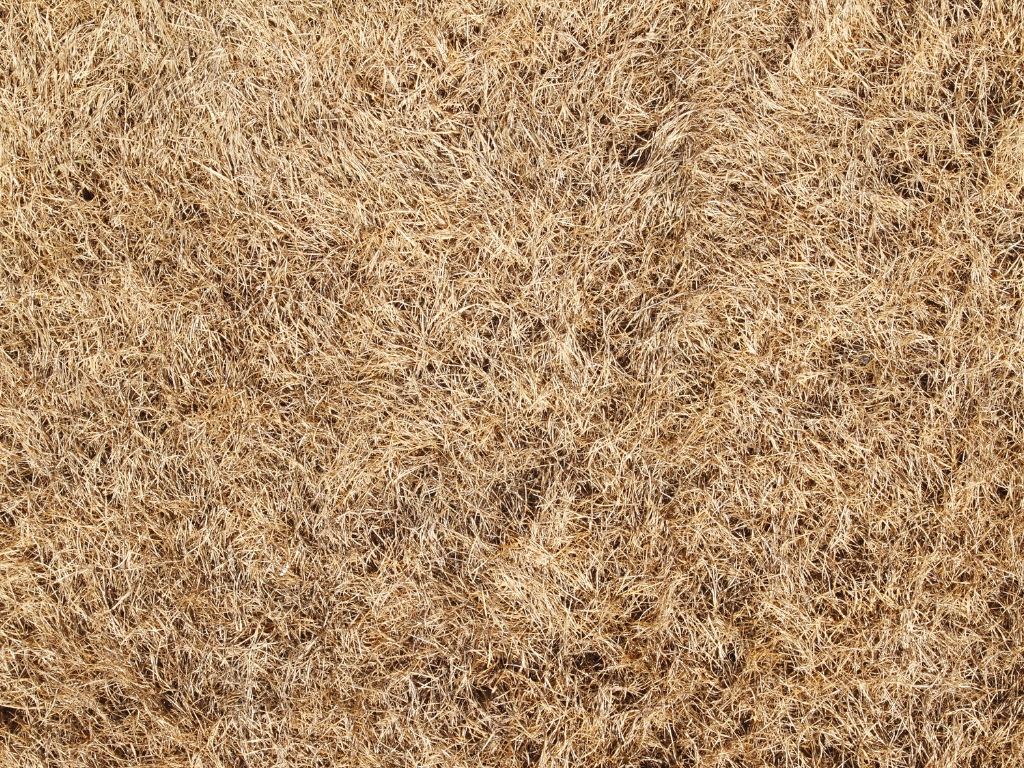
Not every brown lawn is dead. In many cases, grass enters a dormant state to protect itself during periods of drought, extreme heat, or cold weather.
Dormant grass temporarily stops growing and turns brown to conserve energy, but its roots remain alive. Once growing conditions improve, it can often recover without major repairs.
Dead grass, on the other hand, cannot recover because its root system has died. A simple tug test can help you tell the difference. Gently pull on a handful of brown grass.
If it stays firmly rooted, it’s likely dormant. If it pulls up easily with little resistance, the grass is probably dead and those areas may need reseeding or new sod as part of your lawn repair plan.
Knowing whether your lawn is dormant or dead helps you avoid unnecessary treatments and choose the most effective solution for long-term recovery.
The Most Common Causes of Lawn Damage
A healthy lawn depends on the right balance of water, nutrients, sunlight, and proper maintenance. When one or more of these factors is out of balance, your grass can weaken, making lawn repair necessary to restore its health.
- Watering Problems: Both overwatering and underwatering can damage your lawn. Too much water deprives roots of oxygen and encourages fungal growth, while too little causes grass to dry out and become stressed.
- Soil Compaction: Frequent foot traffic, heavy equipment, and dense soil can limit the flow of air, water, and nutrients to the roots. As a result, grass struggles to establish deep, healthy root systems.
- Nutrient Deficiencies: Grass requires essential nutrients, particularly nitrogen, to maintain vigorous growth. Poor soil quality or an imbalanced pH can prevent roots from absorbing these nutrients effectively, leading to discoloration and thinning.
- Lawn Diseases and Pests: Fungal infections, grubs, chinch bugs, and other lawn pests feed on or damage grass, often creating expanding brown patches that won’t improve with watering alone.
- Mowing Mistakes: Cutting grass too short weakens its ability to produce energy and retain moisture. Using dull mower blades can also tear the grass instead of making clean cuts, increasing the risk of disease and additional stress.
How to Fix a Dying Lawn?
Reviving a struggling lawn starts with treating the root cause, not just the visible damage. Once you’ve identified what’s affecting your grass, follow these steps to support healthy regrowth and improve the long-term success of your lawn repair efforts.
1 | Determine Whether the Grass Is Dormant or Dead
Before starting any lawn repair, determine whether your grass is dormant or truly dead. Dormant grass turns brown during periods of heat, drought, or cold to conserve energy, but its roots remain alive and can recover when conditions improve. Dead grass, however, will not grow back.
Perform a simple tug test by gently pulling on a handful of brown grass. If it stays firmly rooted, it’s likely dormant. If it pulls out easily with little resistance, it’s probably dead and may require reseeding or sod replacement.
2 | Test Your Soil
Healthy grass begins with healthy soil. A soil test measures nutrient levels and pH, helping you understand exactly what your lawn needs before applying fertilizer or other amendments. Without testing, you may add products your lawn doesn’t need while overlooking the real problem.
Collect small soil samples from several areas of your yard and use a home test kit or send them to a local extension office for analysis. The results will recommend nutrient adjustments and pH corrections, allowing you to create the right growing conditions for stronger roots and healthier grass.
3 | Improve Your Watering Routine
Proper watering is essential for a healthy lawn. Both underwatering and overwatering can weaken grass: too little causes drought stress, while too much limits oxygen around the roots and increases the risk of fungal diseases.
Instead of watering lightly every day, the University of California Integrated Pest Management recommends watering only when needed and during the early morning hours to minimize water loss from evaporation and wind, and to allow blades and thatch to dry out, preventing fungal and bacterial diseases
Since watering needs vary with rainfall, soil type, and the season, adjust your schedule accordingly.
4 | Aerate Compacted Soil
Compacted soil prevents water, oxygen, and nutrients from reaching the roots, making it difficult for grass to grow. This often occurs in lawns with heavy foot traffic or dense clay soil.
Core aeration removes small plugs of soil, creating openings that improve airflow and water infiltration while giving roots more room to expand. You can rent a core aerator or hire a professional if your lawn is severely compacted.
Aerating during your grass’s active growing season delivers the best results because the lawn can recover quickly and take advantage of the improved soil conditions.
5 | Fertilize Appropriately
Fertilizer supplies the nutrients grass needs to recover, but applying the wrong product or using too much can do more harm than good.
Base your fertilizer choice on your soil test results and the type of grass growing in your yard. Follow the recommended application rate to avoid burning the lawn or encouraging excessive leaf growth at the expense of healthy roots.
Applying fertilizer during your grass’s active growing season allows nutrients to be absorbed more effectively. Combined with proper watering, fertilization supports stronger growth and long-term lawn recovery.
6 | Overseed Bare or Thin Areas
Overseeding restores thin or bare sections by introducing new grass that blends with your existing lawn. Before spreading seed, rake the area to loosen the soil and remove debris, ensuring good seed-to-soil contact.
Choose a grass variety that matches your current lawn and is suitable for your local climate. After seeding, lightly cover the area with soil or compost and keep it consistently moist until the seedlings are established.
Avoid heavy foot traffic during this time to protect new growth. Overseeding is most effective after correcting the underlying cause of the damage.
7 | Address Pests and Diseases
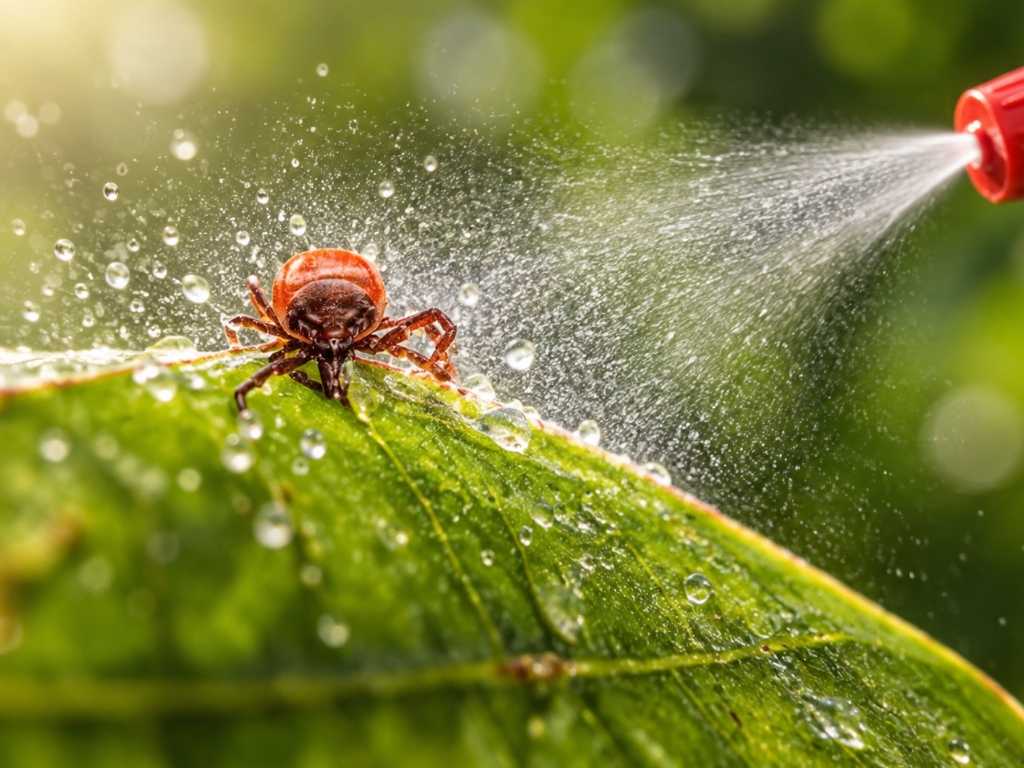
If pests or diseases are causing your lawn to decline, treating the symptoms alone won’t solve the problem. Grubs feed on roots, while fungal diseases spread quickly under favorable conditions, creating expanding brown patches.
Inspect your lawn for signs such as chewed roots, irregular discoloration, or increased insect activity. Once you’ve identified the issue, apply the appropriate treatment according to the product label or consult a lawn care professional for severe infestations.
When DIY Lawn Repair Isn’t Enough
Some lawn problems require more than routine maintenance. If your yard has widespread dead patches, recurring fungal infections, severe grub damage, drainage issues, or heavily compacted soil, professional assistance may be the most effective solution.
Experienced lawn care professionals, such as those from Colonel Landscaping, can identify underlying problems, recommend targeted treatments, and develop a customized recovery plan that saves both time and money.
Bring Your Lawn Back to Life
A struggling lawn doesn’t always mean starting over. Most lawn repair projects begin with identifying the root cause, whether it’s poor watering, compacted soil, nutrient deficiencies, pests, or improper mowing. Once you understand what’s affecting your grass, you can take the right steps to encourage healthy growth and prevent future problems.
If your lawn continues to decline despite your efforts, working with a professional lawn care company like Colonel Landscaping can provide the expertise needed to restore a greener, healthier yard that lasts.