You’ve invested time, money, and effort into your lawn. You followed recommendations.
You stayed consistent.
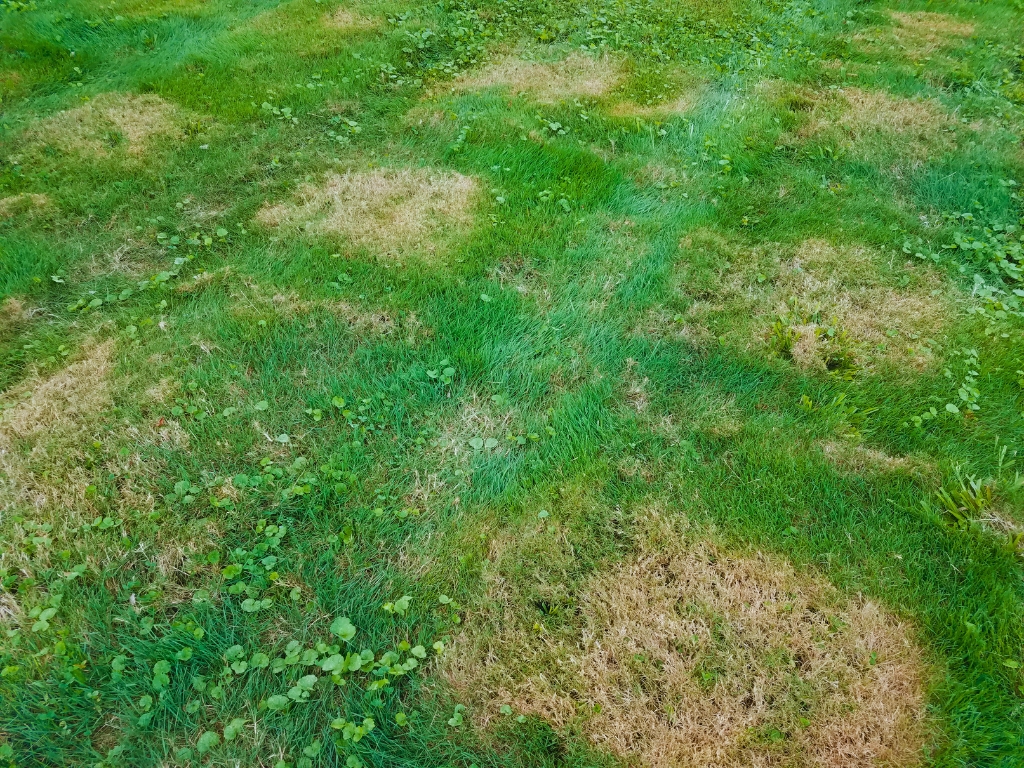
Yet the bare patches keep showing up.
This is a common frustration for homeowners seeking reliable lawn care and maintenance. The issue often isn’t neglect or poor upkeep. In many cases, the problem traces back to previous treatments that were applied without considering long-term lawn health.
Understanding why those treatments caused damage and how to correct it can help you stop repeating the same cycle and finally move your lawn forward.
Why Bare Patches Persist After Past Lawn Treatments
Bare patches rarely appear overnight. They develop slowly as stress builds beneath the surface.
Homeowners often tell Colonel Landscaping they’ve tried everything. Fertilizer programs. Weed control. Overseeding. Even switching lawn services. The lawn may look better temporarily, but thin areas return.
That usually points to treatment overlap or poor sequencing, not a lack of effort.
Common contributors include:
- Weed control applied during heat stress
- Repeated pre-emergent use without recovery time
- Fertilizers were added before soil issues were addressed
- Overseeding without relieving compaction
- Pest treatments applied after turf damage had already progressed
Each step may have been reasonable on its own. The damage occurs when treatments are layered without considering how grass recovers.
If you’ve been told your lawn will “bounce back next season,” but it never does, that’s a red flag. The lawn isn’t failing randomly. It’s responding to stress.
What Is the Purpose of Lawn Care?
The purpose of lawn care is not to force growth or chase quick results.
Effective lawn care and maintenance support long-term stability, starting below the surface. A healthy lawn should be able to recover from stress, not collapse when conditions change.
At its foundation, lawn care should:
- Improve soil structure and airflow
- Encourage deeper root growth
- Reduce plant stress before stimulating growth
- Repair past damage instead of covering it up
Many programs focus on surface appearance. Green color becomes the goal. But if the soil is compacted or chemically stressed, turf can’t sustain that growth.
You may see short-term improvement, followed by thinning and bare patches during heat, drought, or heavy rain.
Ask yourself this:
Does your lawn improve year after year, or does it struggle through the same issues every season?
How Previous Treatments Contribute to Bare Patches
Bare patches rarely appear without warning. In most cases, they develop gradually as repeated treatments place stress on the lawn without allowing time for recovery.
1. Chemical Stress Over Time
Repeated herbicide and pre-emergent applications can weaken grass when they are applied on fixed schedules instead of in response to actual lawn conditions. When treatments continue through heat, drought, or existing stress, turf begins to thin rather than recover, often losing density long before bare soil becomes visible.
2. Compacted or Sealed Soil
Some lawns struggle because water and nutrients can no longer move through the soil. This typically happens when treatments are applied to compacted ground, aeration is skipped, or thatch traps chemicals near the surface, leaving roots shallow and unable to expand even when the lawn appears treated from above.
3. Growth Without Root Support
Fast-release fertilizers can create quick top growth while root systems remain weak and shallow. As nutrients are used up faster than the soil can replenish them, grass becomes vulnerable to stress, and bare patches often appear after heat waves, heavy rain, or seasonal changes that roots cannot handle.
What Is the Correct Order of Lawn Care?
Lawn care and maintenance fail when treatments are applied without a clear sequence. For lawns with recurring bare patches, following the correct order prevents additional stress and allows grass to recover instead of breaking down further.
1. Start With Diagnosis
Before any treatment is applied, the lawn needs to be evaluated as a system, not a surface. Assessing soil condition, root depth, drainage, and past treatments helps identify what caused the damage in the first place and prevents repeating the same mistakes with new applications.
2. Relieve Stress First
Aeration and soil correction should come before fertilizer or weed control. If the soil is compacted or sealed, nutrients cannot reach the roots, and adding more products only increases stress rather than improving lawn health.
3. Restore Growth Gradually
Once stress is reduced, the focus should shift to steady recovery instead of fast results. Balanced nutrients, overseeding thin areas, and correcting watering habits allow grass to rebuild density without overwhelming roots that are still recovering.
4. Protect New Turf
New growth needs protection to survive and establish. Avoiding aggressive chemicals, adjusting mowing height, and allowing time for roots to develop prevents seedlings from failing shortly after seeding, which is a common cause of repeated bare patches.
Why Isolated Lawn Treatments Often Fail
Many homeowners approach lawn care and maintenance by scheduling individual services as problems appear. Weed control is applied when weeds show up, fertilizer is added when the lawn looks thin, and aeration is done as a standalone task.
Each service targets a visible issue, but the lawn doesn’t respond in isolation. Grass growth, soil health, and root development are connected, and treating one problem at a time often creates stress elsewhere in the system.
Lawn care and maintenance work best when treatments are planned to support each other over time. Applications should follow seasonal growth cycles, allow recovery between steps, and build toward stronger roots and healthier soil.
When lawns are managed reactively, bare patches tend to return. When care is consistent and coordinated, improvement becomes more stable and easier to maintain.
What Is a Good Lawn Care Schedule?
A good lawn care and maintenance schedule adapts to what your lawn is experiencing, not what the calendar says. For lawns with a history of bare patches, timing plays a bigger role than the number of treatments applied.
1. Early Season Focus
Early-season care should concentrate on rebuilding soil health and supporting root development before pushing visible growth. Gentle nutrient availability helps grass wake up without stress, while aggressive weed control during this phase often weakens turf that is still recovering from winter conditions.
2. Mid-Season Adjustments
Mid-season lawn care should focus on reducing stress rather than forcing growth. Efficient watering practices, proper mowing height, and fewer chemical inputs help protect the lawn during heat and dry periods, which is when over-treatment commonly leads to thinning and bare patches.
3. Late Season Recovery
Late-season care sets the foundation for the following year. Aeration, overseeding, and slow-release nutrients allow roots to deepen and turf density to improve, which is why lawns that struggle each spring often reveal problems tied to missed or poorly timed fall care.
How to Break the Cycle of Repeated Lawn Damage
Breaking the cycle of repeated lawn damage starts with changing how you think about lawn care and maintenance. Instead of focusing on the next product or treatment, the priority should be understanding what your lawn needs to recover from past stress.
This often means reducing reactive applications, improving timing, and allowing rebuilding phases to happen without interruption.
At Colonel Landscaping, many lawns begin to improve only after treatments slow down. When unnecessary applications are removed, soil and roots have the opportunity to stabilize, which supports healthier growth over time.
In many cases, restraint allows the lawn to recover more effectively than adding more products or services.
Moving Forward With Smarter Lawn Care and Maintenance
Bare patches caused by past treatments are not permanent. They’re indicators. They show where soil needs repair, roots need support, and timing needs adjustment.
With a thoughtful lawn care and maintenance plan, recovery becomes realistic and sustainable. If you’re ready to stop repeating the same cycle and want a strategy that builds real lawn health, the right approach can change everything, starting below the surface.