Fleas and ticks can be easy to overlook until they become a noticeable problem. They may hide around vegetation, leaf litter, shaded areas, and places where pets or wildlife spend time. When treatment becomes necessary, knowing what to do before and afterward can help homeowners get the most from the service while keeping their outdoor routines in mind.
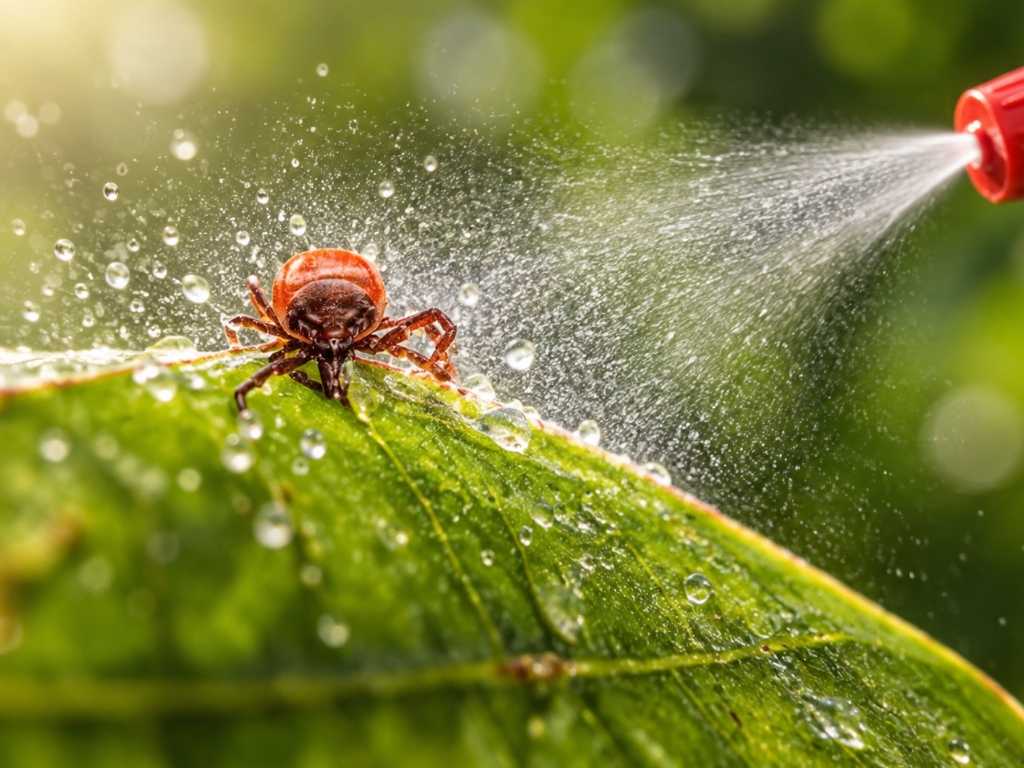
Using flea and tick spray for yard treatment is only one part of managing these pests. Preparation, proper re-entry, regular lawn maintenance, and ongoing pet protection all contribute to a more complete approach.
Why Manage Fleas and Ticks?
Ticks are commonly associated with wooded and brushy environments, but they can also be encountered closer to home. Fleas may establish themselves in sheltered outdoor areas frequented by pets, stray animals, or wildlife.
The health implications make tick prevention particularly important. The Centers for Disease Control and Prevention (CDC) estimates that approximately 476,000 people are diagnosed and treated for Lyme disease each year in the United States. The CDC notes that this estimate represents diagnoses and treatments rather than confirmed surveillance cases alone.
Reducing favorable pest habitats and using appropriate treatments can therefore be valuable parts of an overall prevention strategy.
Preparing Your Yard for Treatment
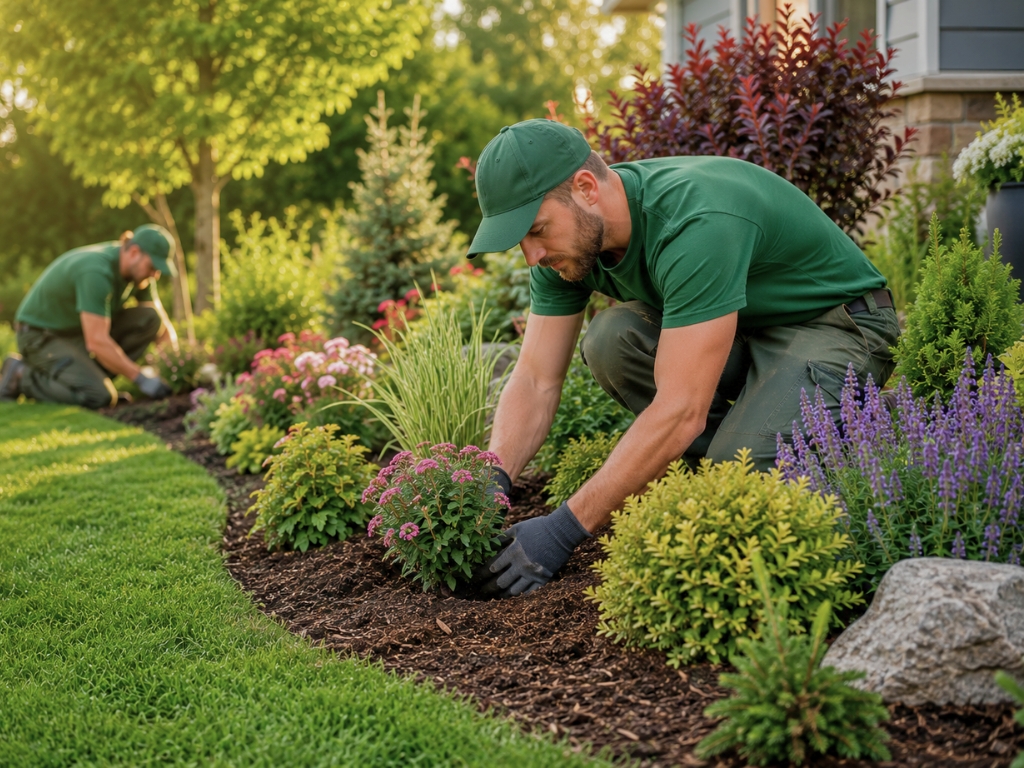
A little preparation can help the application go more smoothly and make it easier for your lawn care provider to focus on the areas that need attention most.
- Ask for preparation instructions first.
Before treatment day, check with your lawn care provider about any product-specific requirements. Some applications may require mowing, watering, or other preparation, while others may not. - Remove toys and loose outdoor items.
Pick up children’s toys, sports equipment, garden tools, pet toys, chew bones, and other movable objects from the treatment area. Store them somewhere protected until the yard is ready to use again. - Bring in pet food and water bowls.
Remove outdoor feeding dishes, water bowls, bedding, and similar pet items so they are not exposed during the application. - Keep children and pets away from the yard.
Make arrangements for children and animals to remain outside the treatment area while the application is taking place. Follow the provider’s instructions for when they can safely return. - Point out sensitive areas.
Tell the technician about vegetable gardens, ponds, play areas, pet runs, outdoor feeding stations, and other locations that may require special care. - Identify known flea and tick hot spots.
Show the provider where you have noticed pest activity. This might include shaded areas, tall grass, brush, beneath decks, around shrubs, pet resting areas, or wooded edges. - Clear obvious yard clutter if advised.
Remove piles of leaves, debris, or other materials that could block access to problem areas. However, avoid making major landscape changes immediately before treatment unless your provider recommends them. - Confirm mowing and watering instructions.
Do not assume the lawn should be freshly mowed or watered. Requirements can vary depending on the product and application method, so follow the specific guidance you receive. - Make sure treatment areas are accessible.
Unlock gates, move vehicles if necessary, and make sure the technician can reach side yards, fence lines, shrubs, and other targeted areas. - Review post-treatment instructions before the application begins.
Ask when people and pets can return, when mowing can resume, and whether the lawn should be watered afterward. Knowing these details in advance can help prevent accidental disruption of the treatment.
Good preparation helps ensure that flea and tick spray for yard treatment can be applied efficiently while keeping important household and pet areas in mind.
Where Are Fleas and Ticks Most Likely to Hide?
Pest control isn’t necessarily about treating every square foot of open grass equally. Fleas and ticks often concentrate in areas that provide shade, shelter, moisture, or access to animals.
Common problem areas include:
- Leaf litter: Fallen leaves can create sheltered conditions where ticks may be found.
- Tall grass: Overgrown grassy areas can provide favorable habitat for ticks.
- Brush and dense vegetation: Thick plant growth offers shade and protection from exposed conditions.
- Wooded edges: Areas where lawns meet woods or brush can be important tick habitats.
- Under decks and porches: Shaded, protected spaces may attract animals that can carry fleas.
- Around shrubs: Fleas may occur in sheltered areas where pets or wildlife regularly spend time.
- Pet resting areas: Places where dogs or cats frequently lie down may become flea hot spots.
- Sheds and sheltered structures: Wildlife or stray animals using these spaces can contribute to flea activity.
Identifying these potential hot spots can help homeowners understand where pest activity may originate. Regular mowing, leaf removal, and vegetation management can also complement flea and tick spray for yard treatments.
How to Get Rid of Fleas and Ticks in Yard Without Harming Pets
Pet-conscious pest management involves reducing flea and tick habitat while limiting unnecessary exposure to treatments. Rather than assuming a product labeled “natural” is automatically harmless, focus on proven prevention practices and follow product directions carefully.
- Mow the lawn regularly. Keeping grass maintained can reduce areas where ticks are more likely to thrive.
- Remove leaf litter and yard debris. Clear accumulated leaves, especially around shaded areas, fences, and property edges.
- Trim tall vegetation and brush. Cut back overgrown plants around areas where your family and pets spend time.
- Create separation from wooded areas. Where practical, use landscaping or a barrier between frequently used lawn spaces and wooded or brushy edges.
- Keep pets on an appropriate prevention plan. Yard treatment alone may not resolve a flea problem if pets continue carrying fleas. Ask your veterinarian about prevention suitable for your pet’s species, age, size, and health.
- Follow pesticide labels carefully. Keep pets away during application and follow the product’s specific instructions for when they can return to treated areas.
- Be cautious with essential oils and home remedies. “Natural” does not necessarily mean safe for animals. Some substances can pose risks to pets, so consult credible veterinary guidance before using them.
Combining these practices with properly applied flea and tick spray for yard treatments can provide a more comprehensive approach to managing pests while keeping pet safety in mind.
Caring for Your Yard After Treatment
What you do after treatment can be just as important as preparing beforehand. Because products and application methods differ, always follow the pesticide label and your lawn care provider’s specific instructions.
- Follow the recommended re-entry time.
Ask your provider when the treated area can be used again. There is no universal waiting period for every flea and tick spray for yard treatment. - Keep children and pets off treated areas.
Do not allow children or animals onto the lawn until the required re-entry conditions have been met. For some liquid applications, this may mean waiting until the treatment has completely dried. - Avoid unnecessary foot traffic.
Give the application time to remain undisturbed. Limit walking, playing, and other activity on treated areas until your provider says normal use can resume. - Follow watering instructions carefully.
Don’t automatically turn on sprinklers after treatment. Some applications need to remain dry for a period, while certain granular products may need to be watered in. Follow the directions for the specific product used. - Wait before mowing or doing yard work.
Ask when you can safely mow, rake, trim, or perform other lawn maintenance. Starting too soon could disturb certain treatments or expose you to residues unnecessarily. - Avoid tracking residues indoors.
If you must cross a recently treated area when permitted by the label, consider removing outdoor shoes before entering your home. This can help minimize tracking outdoor residues onto floors. - Return outdoor belongings when appropriate.
Once the required re-entry conditions have been met, return toys, pet bowls, furniture, and other items you removed before treatment. Follow your provider’s guidance if you’re uncertain about when to put them back. - Continue monitoring for pest activity.
Don’t expect every flea or tick to disappear immediately. Pest life cycles, wildlife movement, and untreated areas can contribute to continued activity. Note where and when you see pests so you can discuss recurring problems with your provider. - Maintain the yard between treatments.
Continue mowing regularly, clearing leaf litter, trimming overgrown vegetation, and managing brush. These practices can reduce environments favorable to fleas and ticks and complement professional treatment. - Keep up with personal and pet protection.
A treated yard doesn’t eliminate every opportunity for exposure. Continue checking people and pets for ticks after spending time outdoors, and follow veterinarian-recommended flea and tick prevention for your pets.
Following these steps can help you care for your lawn appropriately after flea and tick spray for yard treatment while supporting a broader, ongoing pest-management strategy.
Why Might You Still See Fleas or Ticks After Treatment?
Seeing a pest after applying flea and tick spray for yard does not automatically mean the treatment failed.
Wildlife can move through the property, pets can encounter fleas elsewhere, and ticks can be picked up beyond the treated yard. Pest life cycles and untreated habitats can also contribute to continued activity.
A randomized, double-blind study involving 2,727 households in Connecticut, Maryland, and New York illustrates why broader prevention remains important. Researchers found that a single spring bifenthrin application reduced questing tick abundance by 63% compared with placebo-treated properties. However, the study did not find a statistically significant reduction in human tick encounters or reported tick-borne disease.
In other words, lowering tick populations around a property doesn’t eliminate every opportunity for exposure.
What Should You Keep Doing Between Treatments?
Maintaining the property between flea and tick spray for yard applications can make the environment less favorable to pests.
Continue mowing regularly, removing leaf litter, managing brush, and watching for areas frequently visited by wildlife. Pet owners should maintain veterinarian-recommended flea and tick prevention and check animals for ticks after outdoor activities.
People should continue tick checks after spending time in wooded, grassy, or brushy environments as well. Yard treatment shouldn’t replace these everyday precautions.
Make Flea and Tick Control Part of Your Yard-Care Plan
Managing fleas and ticks takes an ongoing approach. Preparing your property before treatment, following re-entry instructions, maintaining the landscape, and keeping up with pet protection can all help reduce the conditions that allow these pests to thrive.
If fleas and ticks are becoming a concern around your property, Colonel Landscaping can help. Professional flea and tick spray for yard treatments can be incorporated into a broader approach to maintaining a more comfortable outdoor space throughout the season.
Contact Colonel Landscaping today to learn more about flea and tick treatment options for your yard and schedule professional service.