
Keeping up with yard work takes time most homeowners don’t have. Mowing, watering, trimming, and dealing with weeds can turn into a weekly chore that never ends.
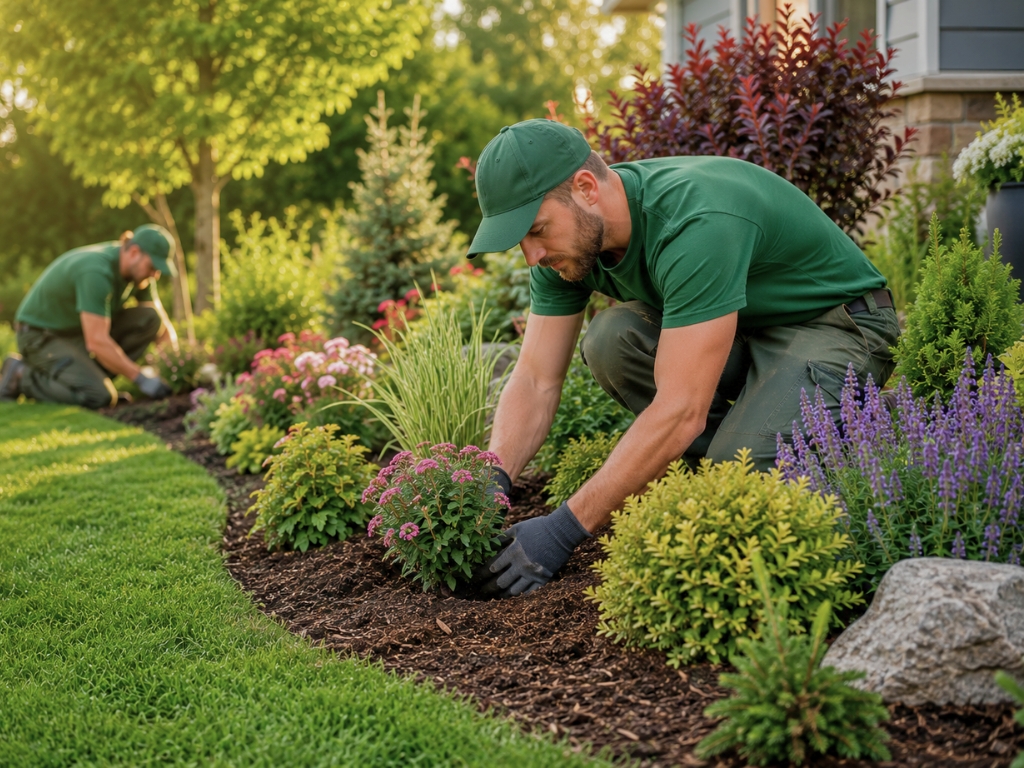
That’s why more homeowners are switching to low maintenance front yard landscaping. They want a front yard that looks clean, organized, and attractive without adding more weekly chores.
This guide breaks down what actually works. You’ll learn what to install, why it works, and how to make better decisions for your property.
What is the Most Low Maintenance Landscaping for Front Yard?
The most low maintenance front yard landscaping focuses on reducing the time and effort needed to keep your yard looking clean and functional. It combines durable materials, drought-tolerant plants, and simple layouts that require little watering, trimming, or ongoing care.
That usually means:
- Replacing grass with alternative ground covers or hardscape
- Using plants that survive with little water
- Designing layouts that prevent weeds and overgrowth
Grass is one of the highest-maintenance elements in any yard. It requires weekly mowing, consistent watering, and seasonal repairs. Removing or reducing lawn space can cut your maintenance time by more than half.
Low maintenance landscaping focuses on three core elements. When these are combined, your yard becomes easier to manage without sacrificing curb appeal.
- Durability – materials and plants that last for years
- Efficiency – minimal watering and upkeep
- Simplicity – fewer elements to manage
Tip 1: Replace Grass with Ground Covers or Reduce Lawn Areas
Reducing or removing traditional grass is one of the most effective ways to lower front yard maintenance. Lawns require regular mowing, watering, edging, and seasonal care, so cutting back on lawn space can save you time every week.
Instead of grass, you can use low-growing ground covers like creeping thyme, liriope, or dwarf mondo grass. These plants spread over time, help limit weed growth, and require less water once established.
You can also break up lawn areas with gravel, mulch beds, or planting zones to reduce how much grass you need to maintain.
Tip 2: Install Gravel or Decomposed Granite Areas
Gravel and decomposed granite are practical materials for homeowners who want a front yard that looks clean without requiring much attention. They do not need watering or mowing, and they hold up well when installed with a proper base and weed barrier.
These materials work especially well in walkways, decorative borders, and open areas where grass would normally need constant upkeep. Many homeowners pair them with drought-tolerant plants to create a front yard that feels balanced and intentional rather than empty.
Tip 3: Use Native and Drought-Tolerant Plants
The plants you choose will affect how much time and money you spend maintaining your yard. Native and drought-tolerant plants are usually better suited to local weather conditions, so they need less water, less fertilizer, and less overall care.
Options like succulents, ornamental grasses, lavender, and agave are often used in low maintenance front yard landscaping because they provide texture and color without demanding constant attention.
In many cases, switching from a traditional lawn to drought-tolerant landscaping can reduce outdoor water use by 50 to 70 percent.
Tip 4: Add Mulch to Control Weeds and Moisture
Mulch helps simplify yard care by reducing two common problems at once: weeds and moisture loss. It creates a layer over the soil that helps block sunlight from reaching weed seeds while also helping the ground stay moist longer.
Organic mulch, like bark or wood chips, can improve soil as it breaks down over time. Inorganic mulch lasts longer and needs less replacement. A layer of about two to three inches around plants can make a noticeable difference in how often you need to weed and water.
Tip 5: Install Hardscape Features for Structure
Hardscape features can reduce maintenance while also making your front yard look more finished. Pavers, stone walkways, patios, and retaining walls take up space that would otherwise need mowing, trimming, or planting.
They also help give your yard a clear layout, which can make the whole space feel more organized. When installed properly, hardscape features can last for decades with very little upkeep, making them one of the most durable low-maintenance upgrades.
Tip 6: Use Drip Irrigation Instead of Traditional Sprinklers
A low-maintenance yard still needs an efficient watering system, and drip irrigation is usually a better option than traditional sprinklers. Instead of spraying water across a large area, drip systems send water directly to the roots of your plants.
This helps reduce water waste, prevents overwatering, and lowers the amount of time you spend adjusting or monitoring your irrigation. Because many drip systems can be automated, they also make it easier to keep your landscape healthy without adding another task to your routine.
Tip 7: Design with Fewer Plant Varieties
Using too many plant types can make your front yard harder to manage. Different plants often need different amounts of sunlight, water, trimming, and seasonal care, which can create more work than most homeowners want.
A simpler planting plan is usually easier to maintain and looks more cohesive. Repeating a few reliable plant varieties throughout the yard helps create a cleaner design and makes ongoing care much more manageable.
When to Consider Professional Installation
Some low-maintenance landscaping features need to be installed correctly from the start if you want them to hold up over time. While smaller updates can sometimes be handled on your own, larger projects often involve grading, drainage, material prep, and layout decisions that affect how well the entire yard performs.
This is especially true for features such as:
- Drainage systems
- Hardscape features
- Irrigation systems
- Large-scale lawn reduction or landscape conversion
If these elements are installed incorrectly, they can lead to problems like drainage issues, weed growth, shifting materials, or uneven surfaces. What looks like a simple project at first can turn into more repairs and added cost later.
Working with a professional landscaping company helps ensure:
- Proper base preparation
- Correct material selection
- Long-term durability
It also saves time and helps you avoid rework, which often costs more than getting the job done the first time properly.
Build a Front Yard That Works for You
Your front yard should not add more work to your week. With the right layout, materials, and plant choices, you can create a space that stays clean and functional without constant upkeep.
If you want a design that fits your property and reduces maintenance long-term, Colonel Landscaping can help you plan and install a front yard that works for you.