
Spring is when your yard begins to recover from months of cold weather, excess moisture, and seasonal buildup. The work you do during this time affects how your lawn, plants, and soil perform through the rest of the year.
A proper spring cleanup helps create the right conditions for healthy growth, while the wrong approach can lead to weeds, patchy grass, and damaged plants. This guide walks you through the key dos and don’ts so you can protect your landscape and prepare it for the season ahead.
Why Spring Cleanup Matters More Than You Think
Your yard goes through stress during winter. Snow, debris, and limited sunlight weaken grass and compact the soil. If these issues are left untreated, they carry into spring and slow down new growth.
A well-planned spring cleanup does more than make your yard look neat. By clearing away debris and opening up the lawn, it improves airflow and allows more sunlight to reach the grass.
This kind of healthier environment helps reduce the risk of mold, pests, and disease that tend to develop in damp, shaded areas. It also supports stronger root growth early in the season, which helps your lawn handle heat and drought more effectively later in the year.
Do: Remove Debris the Right Way
Start by clearing out leaves, branches, and any leftover buildup across your yard. These materials block sunlight and trap moisture, which can lead to fungal growth and slow grass recovery.
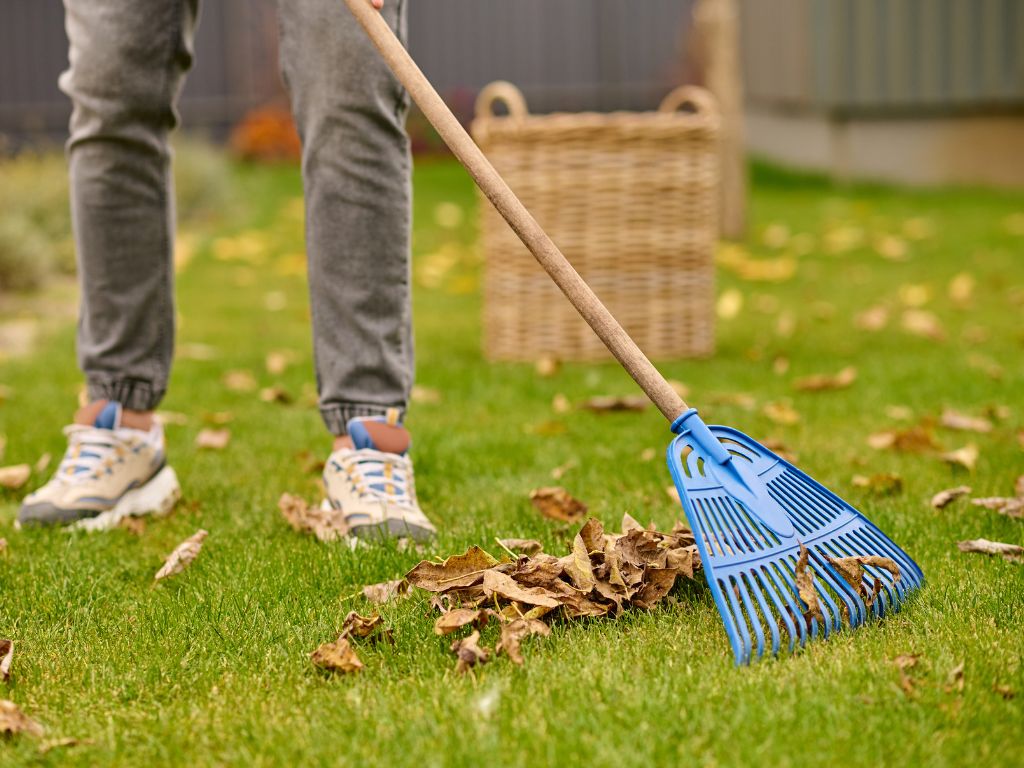
You should work gently as you remove debris. Use a rake or blower to clear surfaces without digging into the soil. If you notice matted grass, loosen it carefully so new blades can grow through. This step creates the space your lawn needs to breathe and recover.
Don’t: Rake Too Aggressively
Many homeowners try to speed up spring cleanup by raking hard. This often leads to more damage than improvement. Aggressive raking can tear out healthy roots and disturb soil that is still soft from winter conditions.
When the soil is wet, too much pressure can also lead to compaction. Compacted soil restricts water and nutrients from reaching the roots, which weakens growth. You should focus on light, controlled movements to clean the lawn without harming it.
Do: Prune Dead or Damaged Branches
Spring is a good time to remove dead or broken branches from trees and shrubs. This allows plants to direct energy toward healthy growth instead of trying to support damaged areas.
You should make clean cuts just above healthy sections of the plant. This helps reduce stress and encourages new growth. Removing dead wood also improves airflow, which lowers the chance of disease spreading throughout your landscape.
Don’t: Prune Everything at Once
Not every plant should be pruned during early spring. Some shrubs develop buds on older growth, and cutting them too soon removes future blooms. This is a common mistake during spring cleanup that affects how your landscape looks later in the season.
You should take time to identify the plants in your yard before pruning. If you are unsure, it is better to delay trimming rather than risk removing healthy growth that contributes to flowering.
Do: Edge and Redefine Landscape Beds
Winter weather often blurs the edges between your lawn and garden beds. Edging helps restore structure and gives your yard a more defined appearance.
You can use a spade or edging tool to reshape these borders. This step also helps prevent grass from spreading into planting areas. When done early, it reduces the amount of maintenance needed throughout the rest of the season.
Don’t: Ignore Soil Condition
Soil condition plays a direct role in how your landscape performs. After winter, the soil often becomes compacted due to moisture and foot traffic. If this issue is ignored, your lawn may struggle even if other parts of your spring cleanup are done correctly.
You may notice signs such as water pooling on the surface or grass growing unevenly. These indicate that the soil is not allowing proper movement of air, water, and nutrients. Addressing soil issues early helps create a stronger foundation for growth.
Do: Prepare Your Lawn for Growth
Once debris is cleared, your focus should shift to helping your lawn recover. This includes improving how nutrients and water reach the roots.
Light dethatching can remove buildup that blocks growth. Aeration helps loosen compacted soil so roots can expand. Applying the right fertilizer supports new growth at the start of the season. These steps work together to strengthen your lawn and improve its ability to fill in thin areas.
Don’t: Apply Too Much Fertilizer
It can be tempting to apply more fertilizer in hopes of faster results. However, overapplication often leads to problems. Too much fertilizer can burn grass and cause uneven growth across your lawn.
Excess nutrients may also wash away during rain, reducing effectiveness and affecting nearby areas. You should follow recommended application rates and avoid overloading your lawn. A balanced approach leads to more consistent and healthier growth.
Do: Control Weeds Early
Weeds begin growing as temperatures rise in spring. If they are not addressed early, they spread quickly and compete with your lawn for nutrients.
Applying treatments at the right time helps stop weed growth before it becomes a larger issue. Early control is one of the most effective parts of a successful spring cleanup, as it reduces the need for stronger treatments later in the season.
Don’t: Wait Until Problems Get Worse
Delaying your spring cleanup often leads to larger issues that take more time and money to fix. Small weed patches can spread quickly, and minor lawn damage can turn into larger bare areas.
When you act early, problems are easier to manage. You also reduce the risk of pests and disease taking hold in your yard. Staying proactive keeps your landscape in better condition throughout the year.
Do: Refresh Mulch in Garden Beds
Mulch helps regulate soil temperature, retain moisture, and limit weed growth. After winter, mulch often shifts or breaks down, which reduces its effectiveness.
Adding a fresh layer helps restore these benefits. You should spread mulch evenly across beds while keeping space around plant stems. This allows your plants to receive moisture without trapping excess water at the base.
Don’t: Overload Mulch Around Plants
Adding too much mulch can create problems for your plants. Excess buildup traps moisture and can lead to root issues over time. It may also attract pests that thrive in damp environments.
You should aim for even coverage instead of piling mulch too high. Proper placement supports plant health and helps maintain a clean, balanced appearance across your landscape.
Do: Know When to Call Professionals
Some spring cleanup tasks are manageable on your own, but others require more time and expertise. If your yard has heavy debris, large trees, or signs of major lawn damage, professional help can make a difference.
Colonel Landscaping provides structured spring cleanup services designed to restore your yard and prepare it for the growing season. When handled correctly, your landscape becomes easier to maintain and performs better throughout the year.
Make Your Spring Cleanup Count
Every step you take during spring cleanup affects how your yard looks and performs in the months ahead. A careful approach protects your landscape, supports healthy growth, and reduces ongoing maintenance.
You should focus on doing each task correctly and at the right time. When your yard is properly prepared in spring, it becomes easier to manage and more enjoyable to use throughout the season.